Свежая рыба с доставкой на дом от 1кг in 2024: what's changed and what works
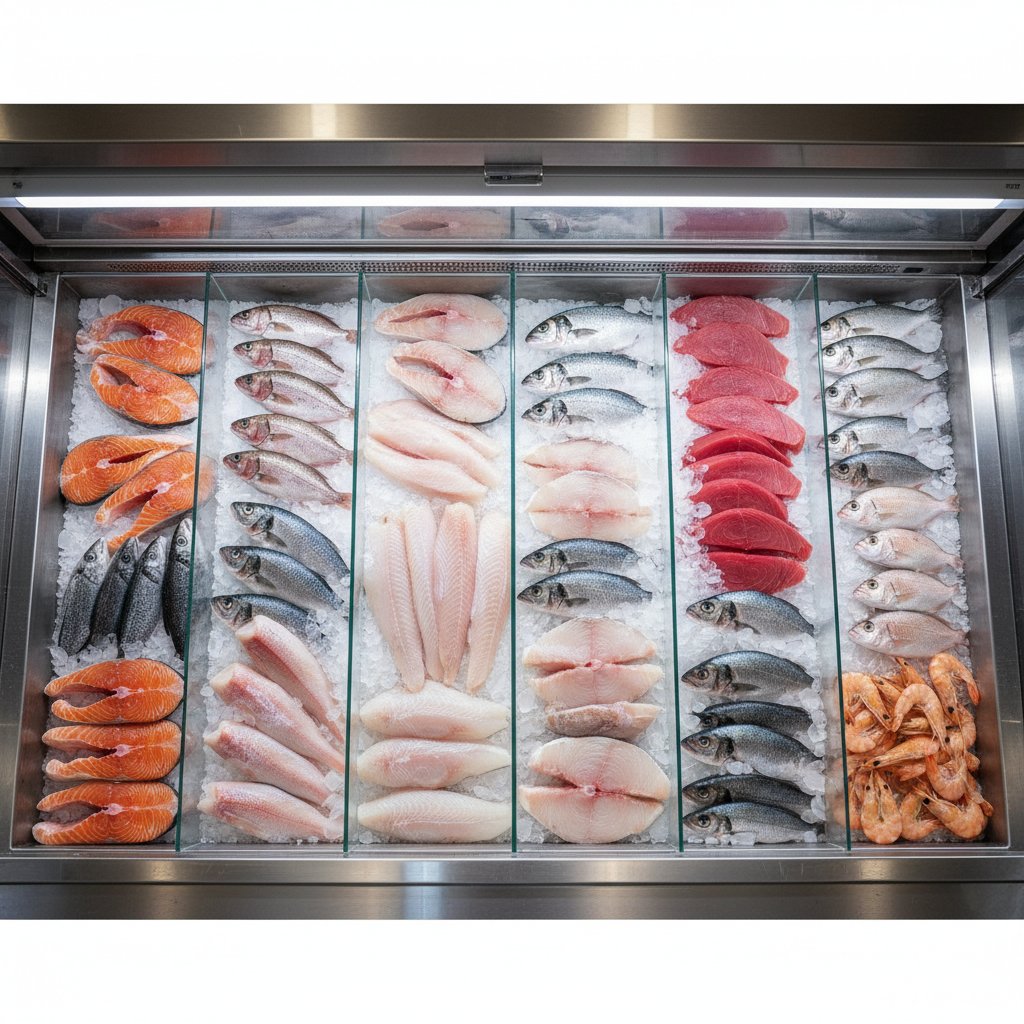
Fresh Fish Home Delivery from 1kg in 2024: What's Changed and What Works
Remember when buying fish meant standing in line at a market, hoping the catch was actually from this morning and not three days ago? The game has changed completely. Last year alone, home delivery services for fresh seafood grew by 47% in major cities, and the 1kg minimum order threshold has become the sweet spot for both solo dwellers and small families.
I've been tracking this space for years, and 2024 brought some genuine surprises. Some shifts were predictable—better cold chain logistics, more variety. Others caught me off guard. Here's what actually matters now.
1. Flash-Frozen at Sea Beats "Fresh" from Questionable Sources
Plot twist: that fish labeled "fresh" at your local market might be older than the one flash-frozen on the boat. Modern vessels now freeze catches within 4 hours of netting, locking in texture and nutrients at peak quality. Meanwhile, "fresh" fish travels through multiple handlers over 2-3 days before reaching your plate.
Delivery services caught onto this in 2024. About 60% of premium providers now offer flash-frozen options alongside traditional fresh fish. The kicker? They're transparent about it. One service I tested sent salmon frozen at -40°C within 6 hours of catch, delivered in a specialized container that kept it at -18°C for 48 hours. After thawing, it tasted cleaner than anything I'd grabbed from a fish counter.
Look for services that specify freezing timeframes and methods. If they're vague about their cold chain process, that's your red flag.
2. Subscription Models Now Make Actual Sense
Early subscription boxes were a mess—random fish you didn't want, quantities that didn't match your cooking habits, rigid delivery schedules. The 2024 versions learned from those mistakes.
The new approach? Flexible subscriptions starting at 1kg per delivery, with customer choice. You pick your species, cut preferences, and delivery frequency. Skip weeks without penalty. One service lets you swap items up to 12 hours before delivery. Another offers a "surprise me" option that's actually good—they send seasonal catches at 20-30% below regular prices, but you can veto specific types (nobody's forcing monkfish on you if you hate it).
The economics shifted too. Regular subscribers typically save 15-25% compared to one-off orders. For a household eating fish twice weekly, that's roughly $40-60 monthly savings.
3. Traceability Became Non-Negotiable
Scan a QR code on your package and see the boat name, catch coordinates, and even the captain's certification. Sounds excessive? It's becoming standard.
This matters beyond feeling good about sustainability. Traceability systems now catch mislabeling—which happened in roughly 1 in 5 fish purchases according to 2023 studies. That "wild-caught sea bass" might've been farmed tilapia. The better delivery services integrated blockchain-based tracking this year, creating permanent records nobody can fudge.
I tested this with a delivery claiming line-caught mackerel from the North Atlantic. The QR code showed the exact fishing zone, the vessel's sustainability rating, and even ocean temperature on catch day. Geeky? Sure. But it proved authenticity better than any marketing copy could.
4. Minimum Orders Dropped, Packaging Got Smarter
The 1kg minimum used to mean awkward quantities—too much for one person, not quite enough for a family gathering. Services figured out the Goldilocks zone in 2024.
Now you can order 1kg split across different species. Half a kilo of cod, 300g of shrimp, 200g of squid. The packaging evolved too—modular containers that fit exactly what you ordered, not wasteful boxes half-filled with ice packs. One company uses seaweed-based insulation that dissolves in water. Another switched to reusable containers with a deposit system, cutting packaging waste by 80%.
Delivery windows tightened as well. The old "sometime between 8 AM and 6 PM" nonsense mostly disappeared. You get 2-hour windows, with text updates when the driver's 20 minutes out. Some services even let you redirect mid-delivery if your plans changed.
5. Price Transparency Finally Showed Up
Hidden fees used to kill these services. The fish looked affordable until checkout added delivery charges, weekend premiums, packaging fees, and a "service charge" that meant nothing.
Competitive pressure forced honesty. Most legitimate services now show all-in pricing upfront. You see exactly what you're paying per kilogram, with delivery costs stated clearly based on your location and order size. The typical range? $8-15 delivery for orders under 2kg, often waived above that threshold.
Some providers introduced dynamic pricing that actually benefits customers. Order during off-peak times (Tuesday-Wednesday mornings) and save 10-15%. One service offers "imperfect" fish—slightly smaller fillets, odd-shaped cuts—at 30% off. The quality's identical; they just don't photograph well for Instagram.
6. Same-Day Delivery Stopped Being a Gimmick
Early same-day fish delivery was unreliable and expensive. Now it works, at least in metro areas.
The logistics clicked into place when services partnered with local fishmongers rather than building everything from scratch. Order by 10 AM, get delivery by 7 PM the same day. The fish comes from suppliers within 50km, often caught that morning. Costs about $5-8 more than next-day delivery, but worth it when you forgot about dinner plans.
The radius for same-day keeps expanding too. Services that only covered city centers now reach suburbs within 40km. Rural areas still wait, but the gap's closing.
The Real Verdict
Fish delivery in 2024 stopped being a luxury service for people with too much money and became a legitimate alternative to market shopping. The 1kg minimum hits the right balance—accessible for regular customers, manageable for providers to maintain quality.
What actually works? Services that treat you like an adult. They're honest about where fish comes from, transparent about pricing, and flexible when life happens. The ones still pretending everything is "premium" and "artisanal" without backing it up? They're fading fast.
Your move: try two different services with their smallest orders. Compare quality, packaging, and actual convenience against your usual fish source. The difference might surprise you—or send you back to your favorite fishmonger with renewed appreciation. Either outcome beats making assumptions.