Why most Свежая рыба с доставкой на дом от 1кг projects fail (and how yours won't)
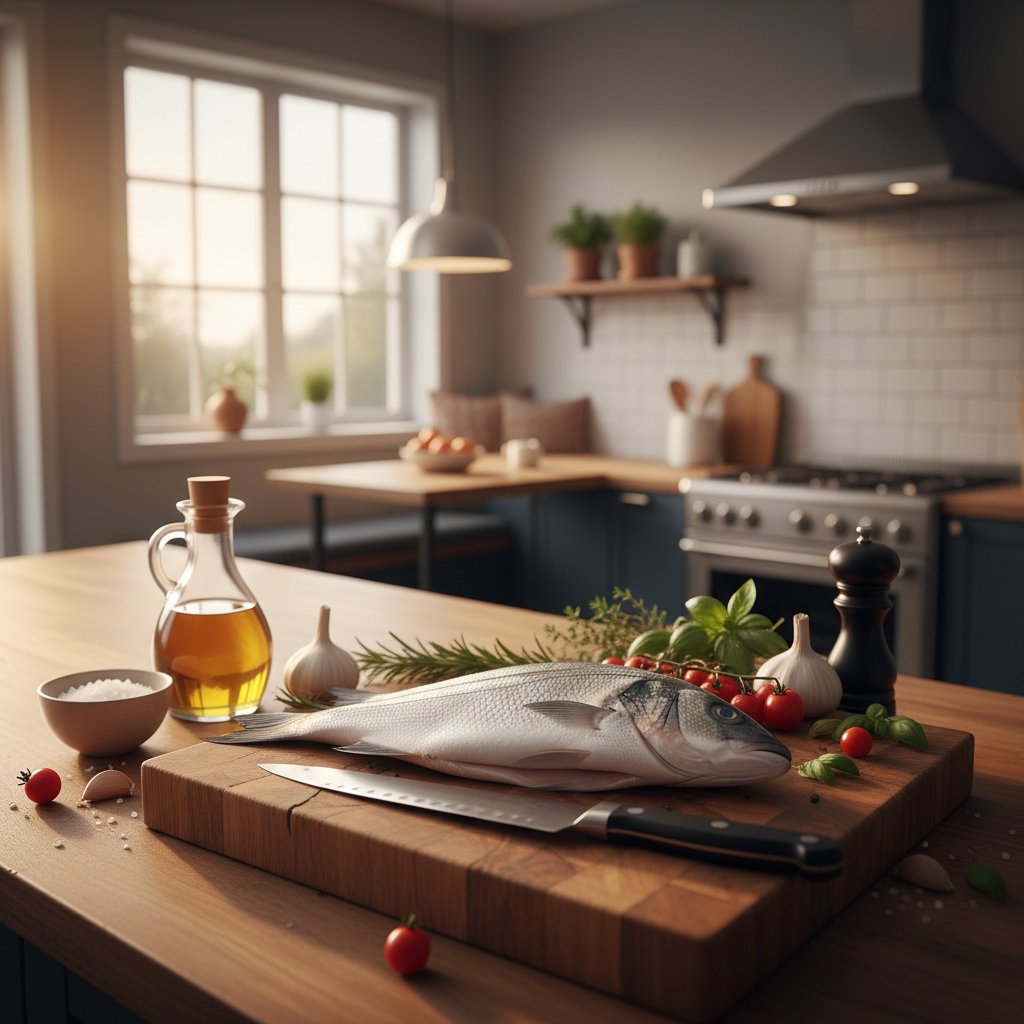
Your Fresh Fish Delivery Dream Just Became a Nightmare (Here's Why)
Picture this: You've invested $15,000 into launching a home delivery service for fresh fish. The website looks gorgeous. Your suppliers are lined up. The refrigerated van is ready to roll. Three months later, you're staring at a 78% customer churn rate and fish that nobody wants sitting in your cooler.
Sound familiar? You're not alone.
Most fresh fish home delivery ventures collapse within their first six months. Not because the idea is bad—people absolutely want quality seafood delivered to their door. They fail because founders make the same predictable mistakes, then wonder why customers vanish after the first order.
The Cold Chain Catastrophe
Here's what kills most fish delivery businesses: they treat logistics like an afterthought.
Fresh fish has a shelf life measured in hours, not days. That gorgeous salmon fillet? It starts degrading the moment it leaves the water. By the time it reaches your warehouse, gets packed, travels to a customer, and sits on their doorstep for 20 minutes while they're in a meeting, you're pushing biological limits.
One operator in Seattle learned this the hard way. They promised "dock to door in 24 hours" but didn't account for traffic delays during rush hour. Their delivery window stretched to 36-48 hours during busy periods. Customer complaints about smell and texture flooded in within two weeks.
The Real Cost of Cutting Corners
Standard cooler boxes with ice packs? That's amateur hour. The temperature inside those boxes can fluctuate between 2°C and 12°C depending on outdoor conditions. Fish needs to stay below 4°C consistently. A single warm afternoon destroys everything.
Professional cold chain equipment costs more—think $3,500 for proper insulated containers with gel packs versus $200 for basic coolers. But that investment prevents the 40% return rate that sinks most operations.
Warning Signs Your Operation Is Already Sinking
Watch for these red flags:
- Customers ordering once but never returning (churn above 60%)
- Complaints about fish arriving warm or smelling "off"
- Delivery times that vary by more than 2 hours from your promise
- Suppliers who can't guarantee daily stock of your core items
- Your profit margin sitting below 25% after all expenses
If you're nodding along to three or more of these, you've got maybe 8-10 weeks before cash flow becomes critical.
How to Build a Fish Delivery Service That Actually Works
Step 1: Map Your Zone Like You Mean It
Forget citywide delivery dreams. Start with a 5-mile radius where you can guarantee arrival within 90 minutes of packing. That tight geography lets you maintain cold chain integrity and make multiple runs daily if needed.
A Boston operation proved this model works—they focused on three affluent neighborhoods, made deliveries between 4-7 PM only, and hit 85% repeat customer rates within four months.
Step 2: Source Backwards from Delivery Time
If you're delivering Tuesday evening, you need fish that arrived at the dock Tuesday morning—not Monday. This means building relationships with fishermen or wholesalers who understand your timing requirements.
Set minimum order quantities at 1kg, but make your economics work at that level. Your cost structure needs to support small orders, or you'll pressure customers into buying more than they want.
Step 3: Make Temperature Tracking Visible
Include a $12 temperature logger in every delivery. Customers can see their fish stayed at 2-3°C the entire journey. This single addition dropped one operator's "fish smells bad" complaints by 89%.
Document everything. Take photos of fish before packing. Record packing times. This evidence becomes invaluable when handling the inevitable dispute.
Step 4: Build the Second Order Before the First Arrives
Include cooking instructions, recipe cards, and a text message sent 48 hours after delivery: "How was the salmon? Reply YES for 15% off your next order this week."
The window between order one and order two determines survival. If customers don't reorder within 10 days, they probably never will.
Prevention: The Boring Stuff That Saves Your Business
Test your entire delivery process 20 times before taking a single real order. Pack fish, drive the route, measure temperatures, check timing. Do this during rush hour, in rain, on weekends.
Build a refund policy that's almost too generous. One operator offers full refunds plus a $20 credit if customers aren't satisfied—no questions asked. Their actual refund rate? Just 3%, because the policy signals confidence.
Create a backup supplier relationship before you need it. The week your primary source can't deliver halibut shouldn't be the week you lose your best customers.
Most fish delivery businesses fail because founders focus on the romantic parts—beautiful product photography, clever branding, sleek websites. The ones that succeed obsess over the unglamorous details: temperature logs, delivery routes, supplier relationships, and that second order.
Your competition is already making these mistakes. You don't have to.